
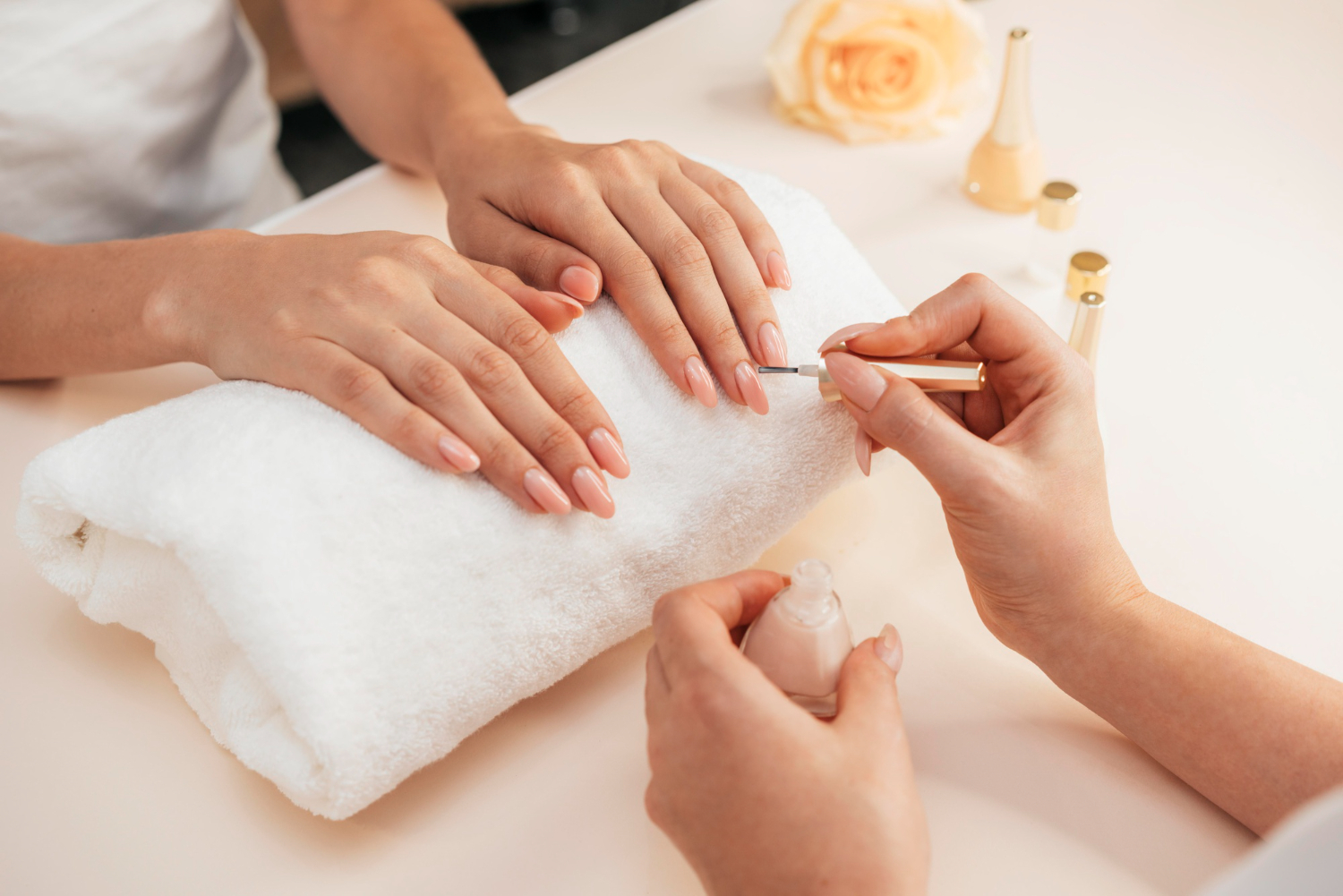
How Often Should You Get a Manicure? A Practical Guide
How often should you get a manicure? For most people, every two to three weeks is a comfortable rhythm, and once a month works well if you mainly want tidy, healthy-looking nails. Gel or acrylic sets usually need attention every two to three weeks as nails grow out. The right gap depends on your nails, routine and polish choice.
That is the short answer. The longer answer is more useful, because two people booking the same manicure can need very different schedules. Below, we explain what sets the pace, how different nail types and polishes change it, and how to keep your hands looking cared for between visits to our studios in Clifton and Khayaban-e-Badar, Karachi.
How Often Should You Get a Manicure for Your Nail Type?
There is no single rule, but a simple starting point helps. Think of the schedule below as general advice that you adjust after one or two appointments.
- Regular polish, short nails: every two to three weeks. Polish tends to chip first at the tips, and the shape stays neat for about this long.
- No polish, natural nails: every three to four weeks. A tidy shape, gentle cuticle care and moisture are the main goals.
- Gel polish: every two to three weeks, mainly because of visible regrowth at the base of the nail, followed by careful removal.
- Acrylic or gel extensions: a maintenance visit roughly every two to three weeks, as regrowth changes the balance of a longer nail.
- Children: a gentle trim and tidy as needed, often every three to four weeks, without harsh products.
If you are getting ready for a wedding, Eid or a family event, you may simply book a few days before the date rather than sticking to a fixed cycle.
Why Does Nail Growth Decide the Timing?
Your nails are always moving forward. A study by Yaemsiri and colleagues, published in the Journal of the European Academy of Dermatology and Venereology in 2010, measured average fingernail growth in healthy adults at about 3.5 mm per month, with toenails growing far more slowly at around 1.6 mm per month.
In practical terms, that means a neat shape and a clean polish line start to look different after two or three weeks. The gap at the base of a gel or coloured manicure becomes noticeable, and the free edge of the nail gets longer and more likely to catch or split. This is also why fingernails usually need attention more often than toes, and why a manicure is typically booked more frequently than a pedicure.
Growth varies from person to person. Younger people and those whose hands are busy outdoors may see faster change, while growth often slows with age. Watching your own nails for a cycle or two is the most reliable guide.
What Changes the Right Gap Between Appointments?
Beyond growth, several everyday factors decide whether you need a manicure sooner or can comfortably wait.
Your daily routine
Frequent hand washing, cooking, cleaning, gardening and typing all wear polish down faster. If you wash dishes without gloves or handle water a lot through the day, chips appear sooner and your cuticles can feel dry.
Karachi's climate
Humid, warm weather for much of the year can make hands sweat more, and dusty days mean more washing. Air-conditioned offices can then dry skin out. Many people find their cuticles need more moisture in this mix, which a regular manicure and simple home care can help with.
Nail strength and length
Thin or soft nails often feel better kept short and shaped more often, while strong nails may hold a longer shape for longer. Long nails catch more easily, so they usually need more frequent shaping.
The look you want
If you like a crisp, freshly painted look at all times, you will book more often. If you are happy with clean, short, natural nails, a monthly visit is often enough.
How Do Polish and Gel Choices Affect Frequency?
The finish you choose has a bigger effect on timing than almost anything else.
- Natural nails, no colour: usually every 3 to 4 weeks, prompted by length, shape and dry cuticles.
- Regular nail polish: usually every 2 to 3 weeks, prompted by chipping at the tips.
- Gel polish: usually every 2 to 3 weeks, prompted by the regrowth gap at the base.
- Acrylic or gel extensions: usually every 2 to 3 weeks, prompted by regrowth and the balance of the nail.
These ranges are general guidance, not a promise of how long any finish will last. Wear depends on your routine, your nails and how you care for them at home.
Should you take breaks from gel?
Dermatologists quoted by Hackensack Meridian Health in 2023 suggest giving nails a rest between gel sets now and then, because repeated removal can leave nails feeling dry and thin. A common approach is to go back to regular polish or bare nails for a week or two after a few gel cycles, and to keep nails and cuticles moisturised during that break. If your nails feel unusually weak, sore or discoloured, a dermatologist is the right person to ask.
What Happens at a Regular Manicure Appointment?
Knowing what is included helps you decide how often you really need one. A typical manicure at My Cure Centre includes:
- Removing old polish and checking the length and shape you want.
- Trimming and filing nails, filing in one direction to reduce splitting.
- Softening and gently tidying the cuticle area, without aggressive cutting.
- Cleaning under and around the nails and smoothing rough skin.
- A relaxing hand massage with moisturiser.
- Polish, gel or a clean natural finish, depending on what you choose.
Our instruments are sterile, and you can always tell your technician how you prefer your cuticles handled. The American Academy of Dermatology advises against cutting cuticles, because they help protect the nail root, so gentle care is part of a comfortable routine. You can see every hand service, including Hand Nail Trimming and acrylic or gel nails, on our manicure and hand care treatment menu.
How Can You Make a Manicure Last Longer at Home?
Good habits between visits can stretch the time before your next appointment and keep hands looking cared for.
- Wear gloves for washing dishes and cleaning, so water and detergents do not lift polish or dry your skin.
- Moisturise cuticles daily. The American Academy of Dermatology suggests plain petroleum jelly as a simple, low-cost option.
- Do not use nails as tools for opening cans, scraping labels or prying lids.
- File snags early with a fine file, in one direction, before they turn into splits.
- Add a thin top coat every few days over regular polish to reduce chipping.
- Never peel off gel. Pulling it off can take layers of the nail with it; have it removed properly instead.
The same thinking applies to your feet. Our guide on aftercare habits that help a pedicure last longer covers the first 24 hours and simple weekly care.
When Should You Book Sooner or Wait Longer?
Sometimes the calendar is less important than what your nails are telling you.
Signs it is time to book
- Polish has chipped on several nails or the gel regrowth gap is clearly visible.
- Nails are catching on clothing or have uneven lengths.
- Cuticles feel rough or dry despite home care.
- You have an event coming up and want a fresh finish.
Signs to pause or ask a professional first
- A nail is painful, swollen, lifting or changing colour.
- You have a cut, wound or irritation around the nails.
- Your nails feel unusually thin after a run of gel sets.
In these cases, it is sensible to see a doctor or dermatologist before your next manicure. A beauty studio can keep nails neat and comfortable, but it does not diagnose or treat nail or skin conditions.
Frequently Asked Questions
Is it bad to get a manicure every week?
A weekly manicure with regular polish is usually fine for many people, as long as cuticles are handled gently and nails are not over-filed. Frequent gel removal is a different matter: dermatologists often suggest spacing gel sets out and taking occasional breaks. If your nails start to feel thin or weak, lengthen the gap between appointments.
How often should you get a manicure if you have weak nails?
Short, frequent tidy-ups every two to three weeks often suit weak nails better than long gaps, because keeping nails short reduces splitting. Choose regular polish or a natural finish over repeated gel, moisturise cuticles daily and file in one direction. If weakness continues or nails change colour, ask a dermatologist for advice.
How long does a gel manicure usually last?
Many people find gel polish looks neat for around two to three weeks, but this depends on nail growth, daily activities and home care. The usual reason to book again is the visible gap at the base as the nail grows. Always have gel removed properly rather than peeling it, which can damage the nail surface.
Can children get manicures, and how often?
Yes. Children can enjoy a gentle manicure focused on trimming, shaping and cleaning, without harsh products. Every three to four weeks, or whenever nails get long, is usually enough. My Cure Centre offers a Little Hand Manicure designed for children, with gentle trimming and shaping suited to small hands.
Where can I get a manicure in Clifton, Karachi?
My Cure Centre's main studio is in Clifton, Block 8, on the floor above My Pet Hospital, and is open daily from 11 am to 11 pm. We also have a studio in Khayaban-e-Badar, again above My Pet Hospital. You can book either branch online and choose the hand service that suits you.
Conclusion
There is no fixed rule for nail care, but a few clear points cover most people. Regular polish usually needs refreshing every two to three weeks, natural nails can often wait three to four weeks, and gel or acrylics need maintenance as they grow out. Your routine, climate, nail strength and preferred look all shift the timing, and good home care can stretch it. If a nail looks or feels wrong, pause and speak to a doctor first.
Ready for neat, comfortable hands? Book your manicure appointment at our Clifton or Khayaban-e-Badar studio and our team will help you find a schedule that fits your nails and your week.