
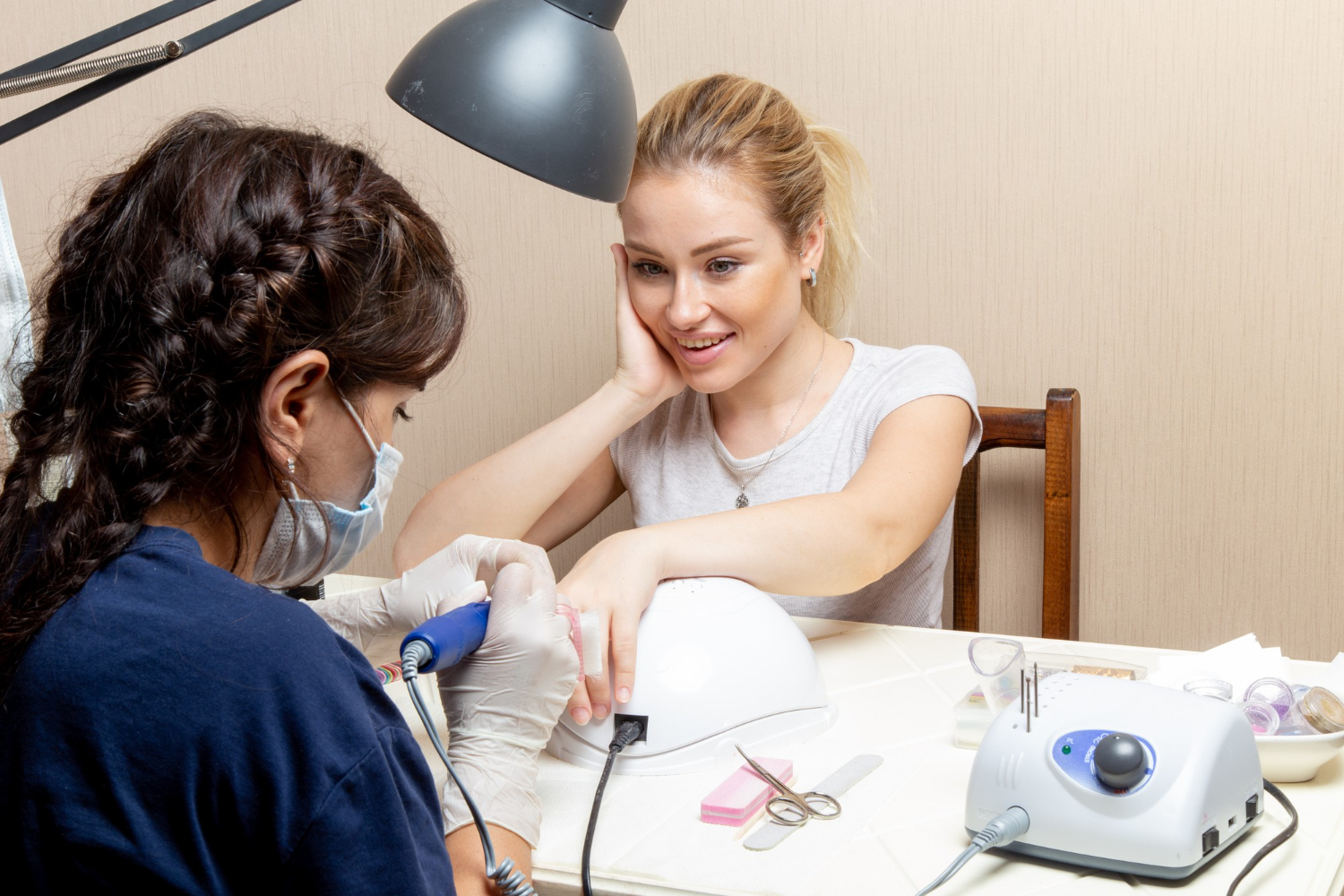
What Happens During a Manicure? A Step-by-Step Appointment Guide
What happens during a manicure? A nail technician cleans your hands, removes old polish, shapes and files your nails, softens and gently tidies the cuticles, moisturises and massages your hands, then finishes with a base coat, colour and top coat or a natural buff. A classic manicure usually takes about 30 to 45 minutes, depending on the finish you choose.
If you have never booked a manicure, or you are trying a new studio, it helps to know what each step is for and what you can ask for along the way. This guide walks through a typical manicure appointment step by step, explains how gel and children's manicures differ, and covers the hygiene points worth noticing, so you can relax and enjoy the time rather than wonder what comes next.
What Happens During a Manicure, Step by Step?
Every studio has its own routine, but most manicures follow the same basic order. Here is what you can usually expect from the moment you sit down.
1. A quick chat about your nails and finish
The technician will look at your nails and ask what you would like: a natural, polished, gel or simple tidy-up finish, and which shape and length you prefer. This is the moment to mention anything you have noticed, such as a split nail or sensitive skin, and to say if you would rather avoid certain products.
2. Cleaning and polish removal
Your hands are cleaned and any old polish is removed with a remover on a cotton pad. Removing every trace of old colour gives the new finish a clean surface to grip.
3. Shaping and filing
Nails are trimmed if needed and filed into your chosen shape, such as round, oval, square or squoval. Filing in one direction helps reduce splitting, especially for thin or brittle nails.
4. Soaking and softening
Your fingertips may soak in warm water for a few minutes, or the technician may apply a cuticle softener instead. This softens the skin around the nail so the next step is gentle rather than forceful.
5. Cuticle care
The cuticle is the thin layer of skin at the base of the nail that helps protect it. A careful technician gently pushes back the softened cuticle and removes only loose, dead skin. The American Academy of Dermatology advises against cutting the cuticles themselves, because they act as a barrier. You are always welcome to ask for a push-back only.
6. Exfoliation, moisturising and hand massage
Many manicures include a light scrub to smooth dry skin, followed by lotion or oil and a short hand and forearm massage. For many clients this is the most relaxing part of the appointment.
7. Buffing or polishing
Before colour goes on, the nails are wiped clean of oils so polish adheres well. You then get a base coat, usually two thin layers of colour, and a top coat. If you prefer a natural look, the nails can be buffed to a soft shine instead.
8. Drying and aftercare advice
Regular polish needs time to set, so you may sit for a few minutes before leaving. Your technician may also share simple aftercare tips, such as wearing gloves for chores and applying cuticle oil.
How Long Does a Manicure Appointment Take?
Timing depends on the service and finish. As general guidance, a simple nail trim and tidy-up is the quickest, a classic manicure with polish usually takes 30 to 45 minutes, and gel, acrylic or nail art takes longer because of curing, building or detail work. Removing old gel or acrylics adds extra time. If you are short on time, mention it when you book so the studio can suggest the right option. You can see the full list of hand and nail services on our treatment menu for manicures and nail care.
How Is a Gel Manicure Different?
A gel manicure follows most of the same preparation steps, but the colour is a gel polish that is cured under a lamp after each layer rather than air-dried. The finish is dry as soon as the final layer is cured, and it can often last longer than regular polish, depending on your nail growth and daily habits.
Two points are worth knowing. First, gel should be removed properly, usually by soaking in remover, rather than peeled off, because peeling can take layers of the nail with it. Second, nail lamps give off UV light. Dermatologists commonly suggest applying a broad-spectrum sunscreen to your hands beforehand or wearing fingerless gloves if you have gel manicures often. If you are unsure whether gel suits you, ask your technician or a doctor.
What Happens During a Children's Manicure?
A children's manicure is shorter and gentler. It usually focuses on cleaning, trimming and shaping the nails, a light hand massage and, if parents agree, a child-friendly polish or a simple buff. Technicians keep the pace relaxed and explain each step so younger clients feel comfortable. At My Cure Centre this is offered as Little Hand Manicure, and parents are welcome to stay close by throughout.
What Should You Notice About Hygiene?
A comfortable manicure starts with clean tools and a tidy station. As general advice, it is reasonable to notice:
- Instruments that are cleaned and sterilised between clients, or opened fresh in front of you.
- Single-use items, such as files and buffers, that are new or used only for you.
- A clean workstation and fresh towels for each appointment.
- Technicians who wash or sanitise their hands before starting.
- A team that is happy to answer questions about how tools are cleaned.
At My Cure Centre our instruments are sterile, and you are always welcome to ask how we prepare them. If you have broken skin, a cut near the nail or any condition that worries you, it is sensible to see a doctor first and book your manicure once it has healed.
How Can You Prepare for Your Manicure?
- Arrive with your nails as they are; there is no need to cut cuticles or file at home beforehand.
- Bring a photo if you have a specific colour, shape or design in mind.
- Mention any allergies or sensitivities to products when you arrive.
- Leave rings and bracelets at home, or be ready to remove them.
- Plan to avoid heavy hand use for a short while if you choose regular polish.
Many of the same habits that help a pedicure last also apply to your hands; our tips to make your pedicure last longer are a good place to start.
Where Can You Get a Manicure in Clifton, Karachi?
My Cure Centre is a calm pedicure and manicure studio with branches in Clifton, Karachi and on Khayaban-e-Badar, both on the floor above My Pet Hospital. The Clifton studio is open daily from 11 am to 11 pm, which makes it easy to fit a manicure around work, errands or a family visit. You can read more about My Cure Centre and our studios before you visit.
Frequently Asked Questions
Does a manicure hurt?
A manicure should not hurt. Filing, cuticle care and massage should feel comfortable, and the technician will adjust pressure if you ask. If anything stings or feels too firm, say so straight away. Sensitivity can be higher if your skin is very dry or you have a small cut, so mention it before you start.
Should my cuticles be cut during a manicure?
Generally no. The cuticle helps protect the base of the nail, and the American Academy of Dermatology advises against cutting it. A gentle push-back after softening, with only loose dead skin removed, is the usual approach. You can always ask your technician for a push-back only, and they should be happy to do that.
How long does a manicure last?
It depends on the finish, your nail growth and how much you use your hands. Regular polish often looks fresh for several days to about a week, while gel can often last longer. Wearing gloves for chores, applying cuticle oil and avoiding using nails as tools can help your manicure stay neat for longer.
Can I get a manicure if my nails are short or weak?
Yes. Short nails can be shaped neatly and polished, and a gentle manicure with careful filing and moisturising can help weak nails look tidier. Your technician may suggest keeping them short and choosing a simple finish. If your nails change suddenly, split badly or look unusual, it is a good idea to see a doctor.
Do I need to book in advance?
Booking ahead is the easiest way to get the time you want, especially in the evenings and at weekends. It also lets the studio plan the right amount of time for your chosen service, such as gel removal or nail art. You can book online and pick the branch that suits you, Clifton or Khayaban-e-Badar.
Conclusion
A manicure follows a simple sequence: a short consultation, cleaning, shaping, softening, gentle cuticle care, moisturising and massage, then polish or a natural finish. Knowing the steps helps you ask for what you prefer, from a push-back-only cuticle tidy to a gel finish, and to notice the hygiene basics, such as sterile instruments and fresh single-use items, that make the visit comfortable.
Ready to enjoy a calm, unhurried manicure? Book your manicure appointment at My Cure Centre in Clifton or on Khayaban-e-Badar, and let our team take care of the rest while you sit back and relax.