
How to Maintain Smooth Heels Between Pedicure Appointments
How to maintain smooth heels between pedicure appointments comes down to a gentle, regular routine: short lukewarm washes, a thick moisturiser applied to slightly damp skin every day, light buffing once or twice a week, cotton socks overnight when heels feel dry, and closed-back shoes when you can. Consistency matters more than strong scrubs or sharp tools.
Smooth heels after a pedicure feel wonderful, but in Karachi's heat and dust, with open sandals worn most of the year, that softness can fade within days if nothing is done at home. The good news is that a few minutes of simple care can stretch the result until your next visit. This guide explains a weekly routine, the habits that dry heels out, what to avoid and when a doctor is a better choice than a salon.
Why Do Heels Lose Their Smoothness So Quickly?
The skin on the heels is naturally thicker than on most of the body, and it carries your weight with every step. When that skin dries out, it becomes less flexible, so pressure from walking can make it feel rough and, in some cases, form small cracks along the edges.
Several everyday factors make this more likely:
- Open-back footwear: chappals, slides and slingbacks let the heel spread and rub, and leave the skin exposed to dust.
- Long hot showers: the American Academy of Dermatology notes that long baths and showers can dry skin further and suggests keeping them to about five to ten minutes.
- Dry indoor air: air-conditioning and dry weather pull moisture from the skin.
- Standing for long periods: hard floors and long hours on your feet add pressure.
- Skipping moisturiser: heels need a richer product than the light lotion many people use on their hands.
How to Maintain Smooth Heels: A Simple Weekly Routine
This routine is general self-care advice, not a treatment plan. Adjust it to how your skin feels and stop anything that stings or irritates.
Every day
- Wash gently: use lukewarm water and a mild, fragrance-free cleanser, as the American Academy of Dermatology recommends for dry skin.
- Pat dry: blot your feet with a soft towel instead of rubbing, including between the toes.
- Moisturise while slightly damp: apply a thick cream or balm to the heels within a few minutes of washing, then again whenever they feel dry.
- Protect overnight: on drier days, apply a richer layer before bed and wear clean cotton socks to help hold the moisture in.
Once or twice a week
- Soften first: after a short soak or shower, when the skin is soft, gently buff the heels with a clean foot file or pumice stone.
- Use light pressure: a few strokes in one direction are enough. You are smoothing the surface, not removing as much skin as possible.
- Rinse and moisturise: finish with your heel cream straight away.
- Clean your tools: wash and fully dry the file or stone after each use, and replace it when it looks worn.
Before your next appointment
Keep moisturising but stop buffing a day or two before your visit, so your technician can see how your heels are really doing. If you are planning your next visit, our guide on how often you should get a pedicure explains how to choose a sensible gap between appointments.
What Should You Look for in a Heel Moisturiser?
You do not need an expensive product, but texture matters. For heels, a thicker cream, balm or ointment usually works better than a thin lotion, because it stays on the skin longer. Many people find that petroleum jelly, or creams that list ingredients such as urea or lactic acid, suit dry heels; these are common in foot creams sold in pharmacies.
A few practical points:
- Patch-test any new product on a small area first, especially if you have sensitive skin.
- Avoid applying creams with exfoliating acids to broken or cracked skin, as they can sting.
- Keep the product where you will use it, for example next to your bed, so the habit sticks.
- If you have a skin condition or are unsure what suits you, ask a pharmacist or doctor.
For more on keeping the whole foot comfortable, see our article on what a pedicure for dry feet can help with.
Which Habits Make Heels Rough Again?
- Over-scrubbing: buffing every day or pressing hard can leave skin raw and may make roughness return faster.
- Cutting or shaving hard skin at home: blades and razors can easily cut too deep. Leave anything more than light buffing to a professional.
- Walking barefoot outdoors: hot pavements, sand and dusty floors dry and roughen the skin.
- Worn-out shoes: the American Academy of Dermatology also advises avoiding open-back shoes, worn-down shoes and shoes that do not fit properly when heels are dry.
- Forgetting water and rest: long days on your feet with little rest add pressure, so sit down and change position when you can.
How Can a Pedicure Help Keep Heels Smooth?
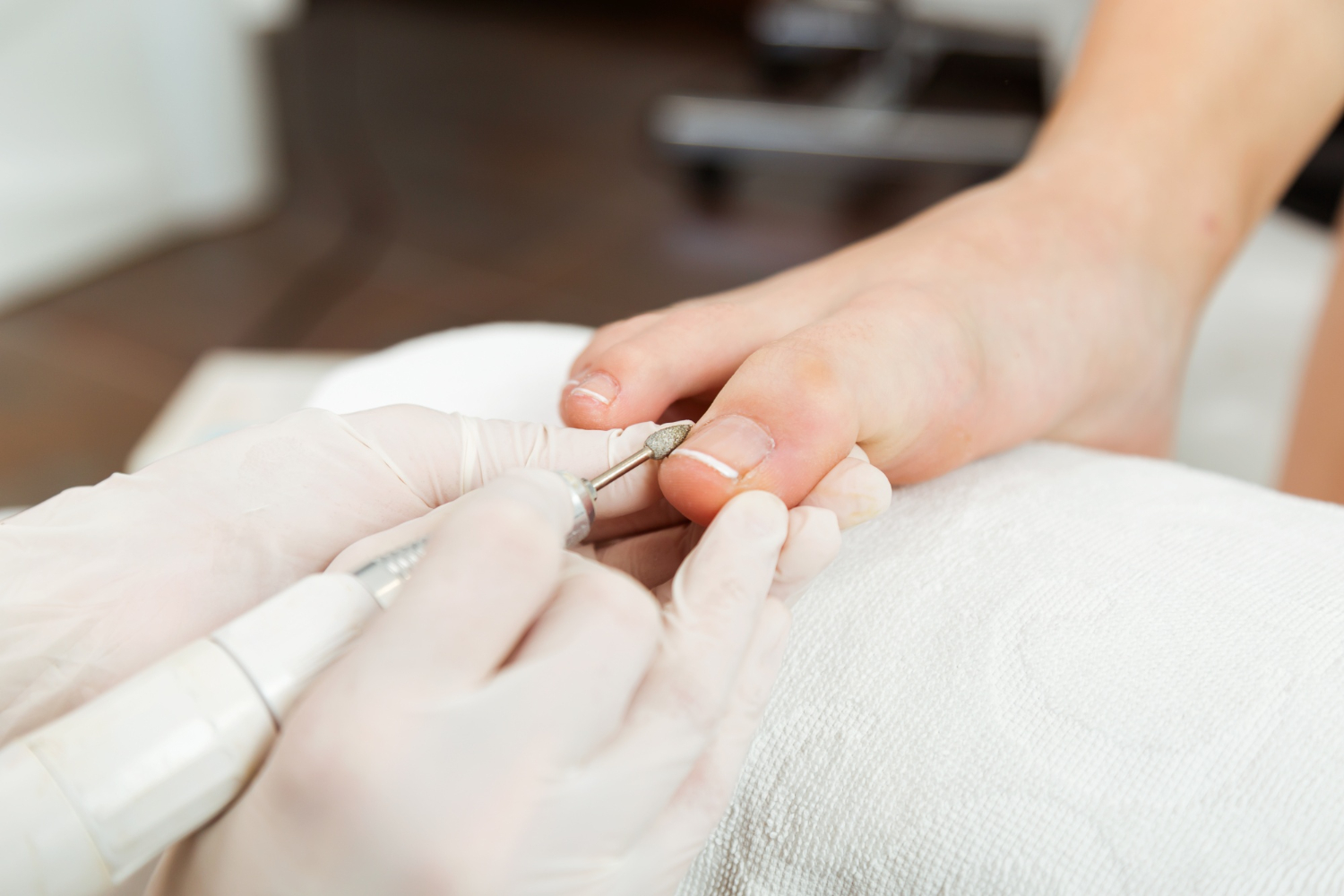
A professional pedicure gives your heels a fresh starting point. At My Cure Centre, a pedicure usually includes a warm soak, gentle care of hard skin, nail shaping, cuticle care and a relaxing massage, carried out with sterile instruments. Your home routine then maintains that softness between visits.
You can see the full list of foot and hand services, including pedicures and reflexology, on our treatment menu. Both studios, in Clifton and on Khayaban-e-Badar, are on the floor above My Pet Hospital, which makes it easy to fit a visit into a busy day.
When Should You See a Doctor Instead of Booking a Pedicure?
A pedicure is a comfort and grooming service, not medical care. Speak to a doctor or podiatrist, rather than booking a salon visit, if you notice any of the following:
- Deep cracks that bleed, hurt when you walk or do not improve with regular moisturising.
- Redness, swelling, warmth or discharge around a crack.
- Heel skin that changes suddenly, itches strongly or peels in an unusual way.
- You have diabetes, poor circulation or reduced feeling in your feet, which need professional foot advice.
The American Academy of Dermatology advises seeing a board-certified dermatologist if dry, cracked heels are severe or do not improve with home care.
Frequently Asked Questions
How often should I moisturise my heels?
Most people do well moisturising heels at least once a day, ideally right after washing while the skin is still slightly damp, and again before bed on drier days. In hot, dusty weather or air-conditioned rooms, you may need to reapply whenever the skin feels tight or rough.
Is it safe to use a pumice stone on heels every day?
Daily scrubbing is usually too much. Once or twice a week, on softened skin and with light pressure, is gentler and easier to keep up. Over-buffing can leave the skin sore and may make roughness return faster. Never use a pumice stone on broken, bleeding or painful skin.
Do socks really help keep heels smooth?
Clean cotton socks worn over a thick moisturiser at night can help, because they keep the product on the skin longer and protect it from drying air. The American Academy of Dermatology mentions this approach for dry heels. Change socks daily and let your feet breathe during the day.
How long do smooth heels last after a pedicure?
It depends on your footwear, climate, how long you stand and how consistent your home care is. With daily moisturising and gentle weekly buffing, many people find their heels stay comfortable much longer than when they do nothing between visits. Results vary, so watch how your own skin responds.
Can I get a pedicure if my heels are cracked?
Mild dryness and small surface cracks are common, and you can mention them when you book so your technician takes extra care. If cracks are deep, bleeding, painful or show signs of infection, see a doctor first and book your pedicure once the skin has healed.
Conclusion
Smooth heels are mostly about small habits repeated often: short lukewarm washes, a thick moisturiser on damp skin every day, gentle buffing once or twice a week, supportive closed-back shoes when possible and no blades at home. Pair that routine with regular pedicures, and know when a doctor is the right call for painful or deep cracks.
Ready to give your heels a fresh start? Book your pedicure at My Cure Centre in Clifton or Khayaban-e-Badar, Karachi, and relax while our team takes care of your feet with sterile instruments and a calm, comfortable setting.