
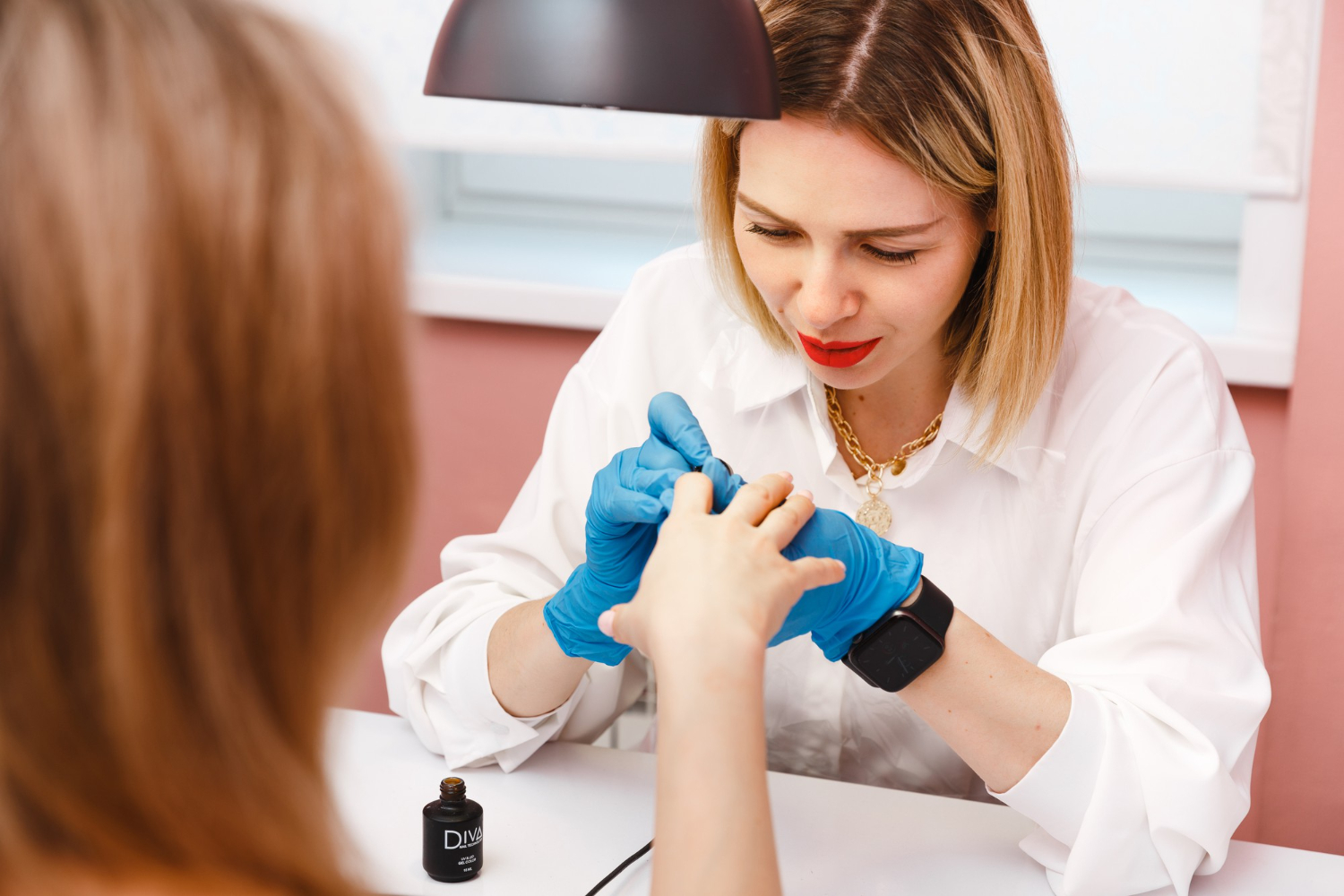
Why Cuticle Care Matters During a Manicure
Why cuticle care matters is simple: the cuticle is a thin seal of skin at the base of each nail that helps keep dirt and germs away from where the nail grows. Gentle care during a manicure keeps this seal intact, softens dry edges and tidies the nail line, so hands look neat without harming natural protection.
At My Cure Centre in Clifton, Karachi, cuticle care is one of the quieter steps of a manicure, but it shapes how comfortable and polished your hands feel afterwards. This guide explains what the cuticle does, how professional cuticle care differs from cutting, and how to look after your cuticles between visits.
What Is the Cuticle and Why Does It Matter?
The cuticle is the layer of clear skin along the bottom edge of your nail. It sits just above the nail fold, the soft skin that frames the nail. Together they form a barrier over the nail matrix, the area under the skin where new nail cells are made.
The American Academy of Dermatology describes the cuticle as having an important role in protecting the nail area from organisms, and notes that removing it can leave a space where bacteria and fungus can enter. That is the main reason cuticle care focuses on softening and tidying, not removing.
Beyond protection, cuticles affect how hands look. Dry, ragged cuticles and hangnails can make even freshly painted nails look unfinished, and they can catch on clothes or snag when you type or cook.
Why Cuticle Care Matters During a Manicure
A manicure is the moment when cuticles get focused attention. Done well, cuticle care during a manicure can help to:
- Keep the protective seal intact: gentle pushing and softening respect the barrier rather than breaking it.
- Create a clean nail line: neatly pushed-back cuticles give polish a smooth, even edge to follow.
- Help polish sit better: polish applied over loose cuticle skin can lift or look uneven, so a clean nail plate helps it look neater.
- Reduce snagging: trimming only loose hangnails removes the bits that catch and tear.
- Improve comfort: softened, moisturised skin feels less tight and dry, especially in Karachi's humid heat or air-conditioned offices.
If you are curious about the full sequence of a visit, our guide to what happens during a manicure, step by step shows where cuticle care fits alongside shaping, massage and polish.
How Is Cuticle Care Done Gently?
Professional cuticle care is about patience and light pressure. A typical approach includes:
- Softening: hands are soaked in warm water or a cuticle softener is applied so the skin becomes pliable.
- Gentle pushing: a soft pusher or orange stick eases the cuticle back from the nail plate without scraping.
- Tidying loose skin: only hangnails and loose, lifted skin are trimmed, never the living nail fold.
- Cleaning the nail plate: any thin film of skin stuck to the nail is lifted away so polish can sit cleanly.
- Moisturising: cuticle oil or cream is massaged in to finish.
At My Cure Centre, the instruments used for these steps are sterile, and technicians adjust pressure to your comfort. If anything feels sharp or sore, say so straight away so the technician can ease off.
Should Cuticles Be Cut or Pushed Back?
This is the question most clients ask. Dermatology guidance commonly advises against cutting the cuticle itself, because it acts as a protective seal and cutting it can open a path for germs. Pushing back gently and trimming only loose, dead skin or hangnails is the usual alternative.
Cutting too much can also leave the edge rough as it regrows, which tempts people to cut again, creating a cycle of dryness and ragged skin. A softer approach usually keeps the area smoother over time.
If you have a strong preference, share it with your technician before the manicure starts. A good technician will explain what they recommend and why, and work within what feels comfortable for you.
Which Signs Show Your Cuticles Need Some Attention?
Cuticles change with weather, work and habits. Karachi's humidity, long hours in air-conditioned rooms and frequent handwashing can all leave the skin around nails tight one week and soft the next. Signs that your cuticles would benefit from some care include:
- Dry, white or flaky skin along the base of the nails.
- Hangnails that appear often and catch on fabric.
- Cuticle skin creeping up and sticking to the nail plate.
- Small splits or rough edges around the nail fold.
- Polish that looks uneven near the base soon after painting.
Most of these respond well to regular moisture and gentle professional care. Anything painful, swollen or unusual is a reason to check with a doctor rather than a studio.
What Mistakes Damage Cuticles at Home?
Many cuticle problems start between appointments. Common habits to avoid:
- Picking or biting cuticles and hangnails. Tearing skin often pulls healthy skin with it and leaves small openings.
- Cutting cuticles yourself with household scissors. These are rarely clean or sharp enough for delicate skin.
- Pushing back dry cuticles. Always soften the skin first, for example after a shower.
- Skipping moisture. Frequent handwashing, sanitiser and cleaning products dry out the skin around nails.
- Using nails as tools. Opening cans or scraping labels can lift the cuticle area.
If the skin around a nail becomes red, swollen, painful or shows pus, stop any home care and see a doctor or dermatologist. A manicure studio is not the right place for that kind of concern.
How Can You Care for Cuticles Between Manicures?
A few simple habits can keep cuticles looking neat until your next visit:
- Apply cuticle oil or a rich hand cream once or twice a day, especially at night.
- After a shower, when skin is soft, gently ease cuticles back with a towel.
- Wear gloves for washing dishes and household cleaning.
- Carry a small hand cream for after handwashing.
- Trim hangnails with clean nail clippers instead of pulling them.
Our manicure aftercare tips cover more ways to keep hands and polish looking fresh after an appointment.
Frequently Asked Questions
Is it bad to cut your cuticles?
Dermatology guidance, including advice from the American Academy of Dermatology, generally recommends not cutting the cuticle itself because it helps protect the nail area from germs. Gently pushing it back after softening and trimming only loose skin or hangnails is the usual approach. If you have concerns about your skin, ask a doctor.
How often should cuticles be cared for?
Light daily care at home, such as applying cuticle oil or hand cream, often keeps cuticles soft. Professional cuticle care usually happens as part of each manicure. How often you book depends on your nail growth, routine and preferences, so it can vary from person to person.
Does cuticle care hurt during a manicure?
Cuticle care should feel gentle and comfortable. The skin is softened first, then eased back with light pressure. If you feel stinging or soreness, tell your technician immediately so they can adjust. Comfort is part of every visit at My Cure Centre, and you are always welcome to ask questions.
What is the best way to soften cuticles at home?
Soak fingertips in warm water for a few minutes or use cuticle care after a warm shower, then apply cuticle oil or a rich hand cream and massage it in. Regular moisture is more helpful than occasional heavy treatment. Avoid pushing or trimming cuticles when the skin is dry.
Can children have cuticle care?
Children's manicures are usually simpler, focusing on gentle cleaning, shaping and moisturising rather than detailed cuticle work. At My Cure Centre, the Little Hand Manicure is designed for children, with a calm and gentle approach. Parents can stay close by and ask the technician about any steps.
Conclusion
The cuticle is a small but useful seal that helps protect the area where your nails grow. Good cuticle care softens, gently pushes back and tidies only loose skin, then finishes with moisture. Avoid picking, cutting or pushing dry cuticles at home, keep hands moisturised, and see a doctor if the skin around a nail becomes red, swollen or painful.
Want gentle, unhurried cuticle care as part of your next manicure? Book your appointment at My Cure Centre in Clifton or at our Khayaban-e-Badar branch, both on the floor above My Pet Hospital, or browse the full treatment menu first.