
A Simple Hand Care Routine Between Manicures
A good hand care routine between manicures is simple: wash with lukewarm water and a mild cleanser, pat your hands dry, moisturise straight away, wear gloves for dishes and cleaning, protect the backs of your hands from the sun, and massage a little oil into your cuticles each night. These habits keep hands comfortable until your next visit.
A manicure gives your hands a reset, but what you do in the two to four weeks between visits decides how your hands look and feel when you come back. This guide sets out an easy daily and weekly routine, explains how Karachi's climate affects your skin, and shows where a professional manicure fits in. It is general self-care advice, not medical advice.
Why Does a Hand Care Routine Between Manicures Matter?
Your hands do more work than almost any other part of your body. They are washed many times a day, they touch cleaning products, cooking oils and hot water, and they are exposed to the sun every time you drive or step outside. All of that slowly dries the skin and can leave nails splitting or peeling.
A manicure tidies the shape of your nails, softens the cuticle area and leaves your hands moisturised. Without some care at home, though, that fresh feeling fades quickly. A short routine between appointments often means:
- Skin that feels softer and less tight after washing
- Cuticles that look neater, with fewer hangnails to pick at
- Nails that are less likely to snag or split
- Polish or gel that stays looking tidy for longer, although this always depends on your daily activities
The good news is that none of this needs expensive products or a lot of time. Most of the routine takes less than a minute at a time.
What Does a Simple Daily Hand Care Routine Look Like?
Think of your daily hand care in three moments: the morning, every time you wash your hands, and the evening. Here is what each moment can look like.
In the morning
After your shower, apply a hand cream while your skin is still slightly damp. Pay attention to the knuckles, the sides of the fingers and the skin around the nails, which tend to dry out first. If you will be outdoors or driving, add sunscreen to the backs of your hands. The American Academy of Dermatology advises applying sunscreen to all skin that clothing will not cover, and hands are easy to forget.
Every time you wash your hands
Handwashing is important for hygiene, so the aim is not to wash less but to wash more gently:
- Use lukewarm rather than hot water.
- Choose a mild, fragrance-free soap or cleanser where possible.
- Rinse well, including between your fingers and around your wrists.
- Pat your hands dry with a clean towel instead of rubbing hard.
- Apply a small amount of moisturiser straight away.
The American Academy of Dermatology recommends moisturising immediately after washing to help lock in moisture, and notes that creams and ointments squeezed from a tube tend to be more effective than thinner lotions from a pump bottle. Keeping a small tube by the kitchen sink, in your handbag and in the car makes this habit much easier.
In the evening
Evening is the best time for richer care because your hands rest overnight. Massage a thicker cream into your hands, then rub a drop of cuticle oil or a plain plant oil into each cuticle and nail. If your hands feel very dry, some people like to wear thin cotton gloves over the cream while they sleep. It is a simple step that many people find comfortable.
How Should You Protect Your Hands During Housework?
Water and household cleaners are two of the main reasons hands feel rough between manicures. The American Academy of Dermatology explains that too much water exposure can weaken nails and cause them to split, peel or break, and it recommends gloves for washing dishes and cleaning.
A few practical habits help:
- Wear gloves for wet work. For dishes, a thin cotton glove under a vinyl or nitrile glove is a comfortable option suggested by the American Academy of Dermatology.
- Keep cleaning products off bare skin. Bleach, detergents and floor cleaners can strip natural oils from your skin and dull your polish.
- Do not use your nails as tools. Opening cans, peeling labels or scraping surfaces with your nails is a common cause of chips and breaks. Mayo Clinic's nail care guidance also lists this among the habits to avoid.
- Dry your hands fully after wet work. Moisture trapped around the nails is uncomfortable and is not good for nail hygiene.
If you cook often, the same rule applies to chopping, marinating and kneading: wash gently afterwards and moisturise straight away.
How Do Karachi's Sun and Humidity Affect Your Hands?
Karachi's weather brings its own challenges. Strong sun for much of the year, sea air near Clifton and long hours in air-conditioned rooms can all leave hands feeling dry, even when the air outside is humid.
Some simple adjustments for a coastal city:
- Use sunscreen on your hands when driving. The backs of your hands get a lot of sun through the car windscreen, especially on longer drives.
- Choose lighter creams in the day and richer ones at night. A lighter cream feels more comfortable in humid weather, while a thicker cream can work overnight.
- Watch out for air-conditioning. Many people notice their hands feel tighter after a full day in an air-conditioned office. A tube of hand cream on your desk helps.
- Rinse after the beach. Sand and salt water can leave skin and cuticles feeling rough, so rinse and moisturise after a visit to the seaside.
How Can You Care for Nails and Cuticles at Home Without Undoing Your Manicure?
It is tempting to tidy things up yourself between visits, and some light care is fine. The key is to be gentle and avoid steps that are better left to a trained technician.
Filing small snags
If a nail catches, use a fine-grit file and move it in one direction rather than sawing back and forth. Smoothing a snag early stops it from turning into a split.
Looking after your cuticles
Your cuticle acts as a seal at the base of the nail. The American Academy of Dermatology advises against cutting or removing cuticles because this can damage the nail and raise the risk of infection. At home, soften the area with oil and, if needed, gently push it back after a shower. Our article on why gentle cuticle care matters during a manicure explains this in more detail.
Keeping polish and gel looking neat
For regular polish, a thin clear top coat every few days can help keep the shine. For gel, avoid peeling or picking at lifted edges, which can take layers of the natural nail with it. If a gel edge lifts, it is better to have it removed properly at your next appointment. For the first few hours after a visit, follow these manicure aftercare tips for polish, gel and acrylic nails.
A Weekly Hand Care Checklist
This simple plan shows what to do and how often. Adjust it to your own routine and skin.
- After every wash: pat dry and apply hand cream, which helps keep moisture in the skin.
- Every morning: sunscreen on the backs of your hands if you will be outdoors or driving, to protect skin that gets daily sun.
- Every evening: rich cream plus cuticle oil, to soften dry areas overnight.
- Whenever doing housework: wear gloves for dishes and cleaning, to reduce water and chemical exposure.
- Once or twice a week: gently file any snags and check for lifted polish or gel, to stop small problems from growing.
- Every 2 to 4 weeks: a professional manicure, depending on your nails and lifestyle, to reshape nails and reset cuticle care.
The right gap between appointments varies from person to person. Our guide on how often you should get a manicure for polish, gel and natural nails can help you decide.
When Should You See a Doctor Instead of Booking a Manicure?
A home routine and a manicure are about comfort, grooming and hygiene. They are not a treatment for skin or nail conditions. If you notice any of the following, it is sensible to speak to a doctor or dermatologist before your next appointment:
- Cracked or bleeding skin that does not improve with moisturiser
- Redness, swelling, warmth or pain around a nail
- Changes in nail colour, thickness or shape that you cannot explain
- A rash or itching that keeps coming back after using a product
Mayo Clinic's guidance on fingernails also suggests consulting a doctor about nail changes such as discolouration or changes in shape. Your technician is not able to diagnose these issues, so if you are unsure, please check with a doctor first.
How Does a Regular Manicure Fit Into Your Hand Care Routine?
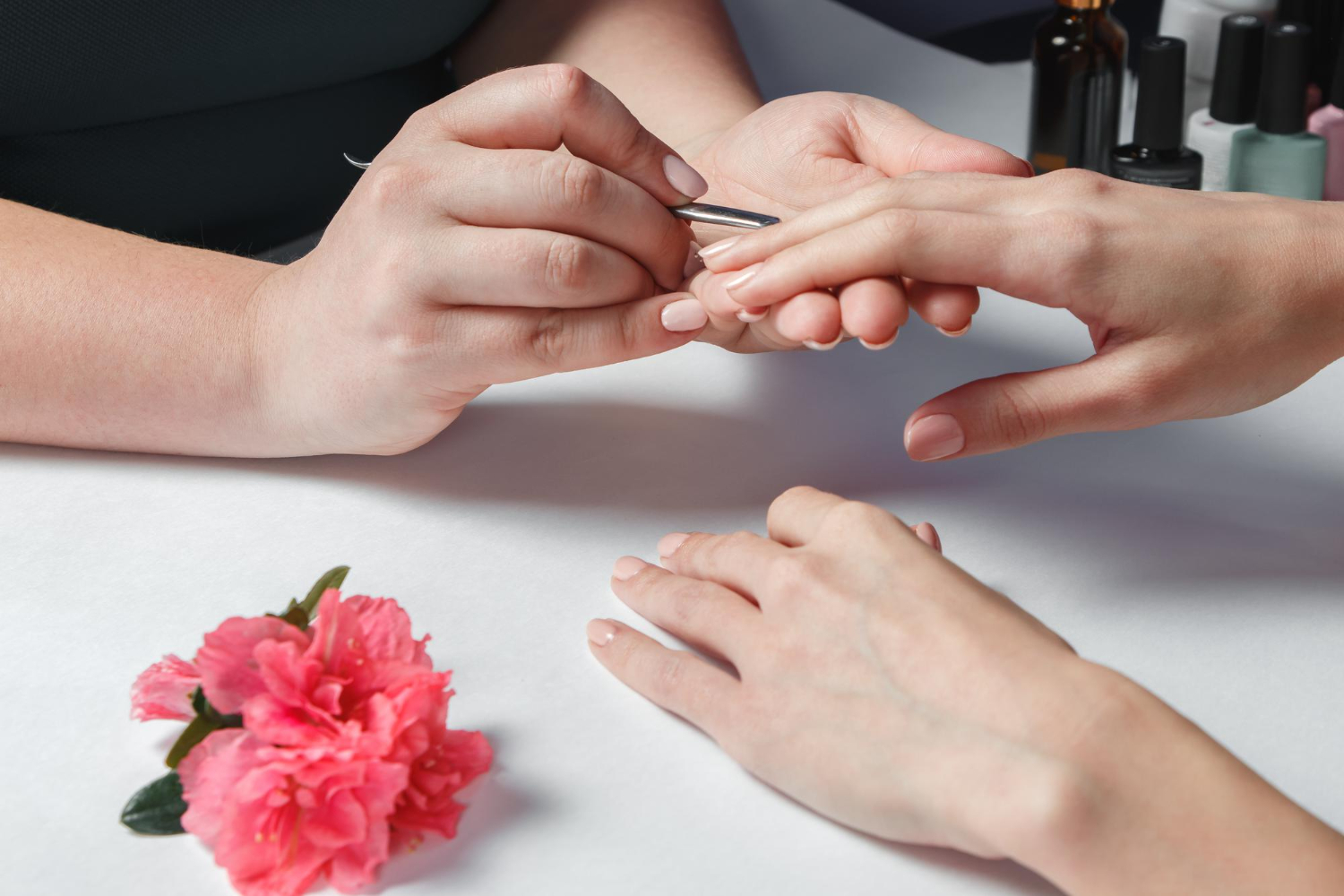
Your home routine and your manicure work together. Daily care keeps your skin comfortable, while a professional manicure handles the parts that are harder to do well yourself: even nail shaping, careful cuticle work, a relaxing hand massage and a clean, even polish finish.
At My Cure Centre, manicures are done with sterile instruments in a calm setting. You can visit our Clifton studio in Block 8 or our Khayaban-e-Badar branch, both on the floor above My Pet Hospital, which makes it easy to fit a visit around your day. You can see all hand and foot services on our treatment menu, where current prices are listed and may change.
A good habit is to mention your home routine to your technician. If your hands feel very dry or your nails often split, they can adjust how they file and shape your nails and suggest simple changes to your daily care.
Frequently Asked Questions
How often should I moisturise my hands between manicures?
Moisturise after every handwash and before bed. The American Academy of Dermatology recommends applying moisturiser right after washing to help lock in moisture. Keeping a small tube of hand cream at the kitchen sink, in your bag and on your desk makes it much easier to stick to this habit every day, even when you are busy.
Is cuticle oil really necessary?
It is not essential, but many people find it helpful. A drop of cuticle oil or a plain plant oil rubbed into each nail at night can keep the cuticle area softer and reduce hangnails. It is a quick, low-cost step that fits easily into an evening routine and can help your manicure look neater for longer.
Can I cut my own cuticles at home between appointments?
It is best not to. The American Academy of Dermatology advises against cutting or removing cuticles because the cuticle protects the base of the nail and cutting it can increase the risk of infection. Instead, soften the area with oil and gently push it back after a shower, then leave any tidying to your technician.
Does hand cream affect my nail polish or gel?
Hand cream does not usually harm cured gel or dry polish. Right after a regular polish manicure, it is sensible to wait until the polish is fully dry before applying a heavy cream. Afterwards, normal moisturising is fine and helps keep the skin around your nails looking smooth and comfortable between visits.
What should I do if my gel starts lifting before my next manicure?
Try not to pick or peel it, because this can pull away thin layers of your natural nail. Keep the edge smooth with a gentle file so it does not catch, and book an appointment to have the gel removed properly. A technician can then check the nail and reapply or switch to a different finish.
Conclusion
A simple routine is the easiest way to keep your hands comfortable between appointments. The key takeaways:
- Wash gently with lukewarm water, pat dry and moisturise straight away.
- Wear gloves for dishes and cleaning, and never use your nails as tools.
- Protect the backs of your hands from Karachi's sun, especially when driving.
- Use cuticle oil at night and leave cuticle cutting to a trained technician.
- See a doctor for skin or nail changes that do not settle with normal care.
Ready for your next reset? Book a manicure appointment at My Cure Centre in Clifton or Khayaban-e-Badar, Karachi, and enjoy careful nail shaping, gentle cuticle care and a relaxing hand massage with sterile instruments, so your home routine has a fresh start.